
What is Cholesterol?
Cholesterol is a waxy, fat-like substance found in every cell of the body. Although cholesterol often gets a bad reputation, it is actually essential for life. Your body uses cholesterol to:- Build healthy cell membranes
- Produce important hormones such as estrogen and testosterone
- Produce Vitamin D
- Make bile acids that help digest fats
Where Does Cholesterol Come From?
Many people believe that cholesterol comes only from the food they eat. In reality, most of the cholesterol in the body is produced by the liver, while a smaller amount comes from foods such as meat, eggs, and dairy products.
The liver continuously produces cholesterol because the body needs it every day. It also adjusts how much cholesterol it makes depending on the body’s requirements and the amount obtained from food.
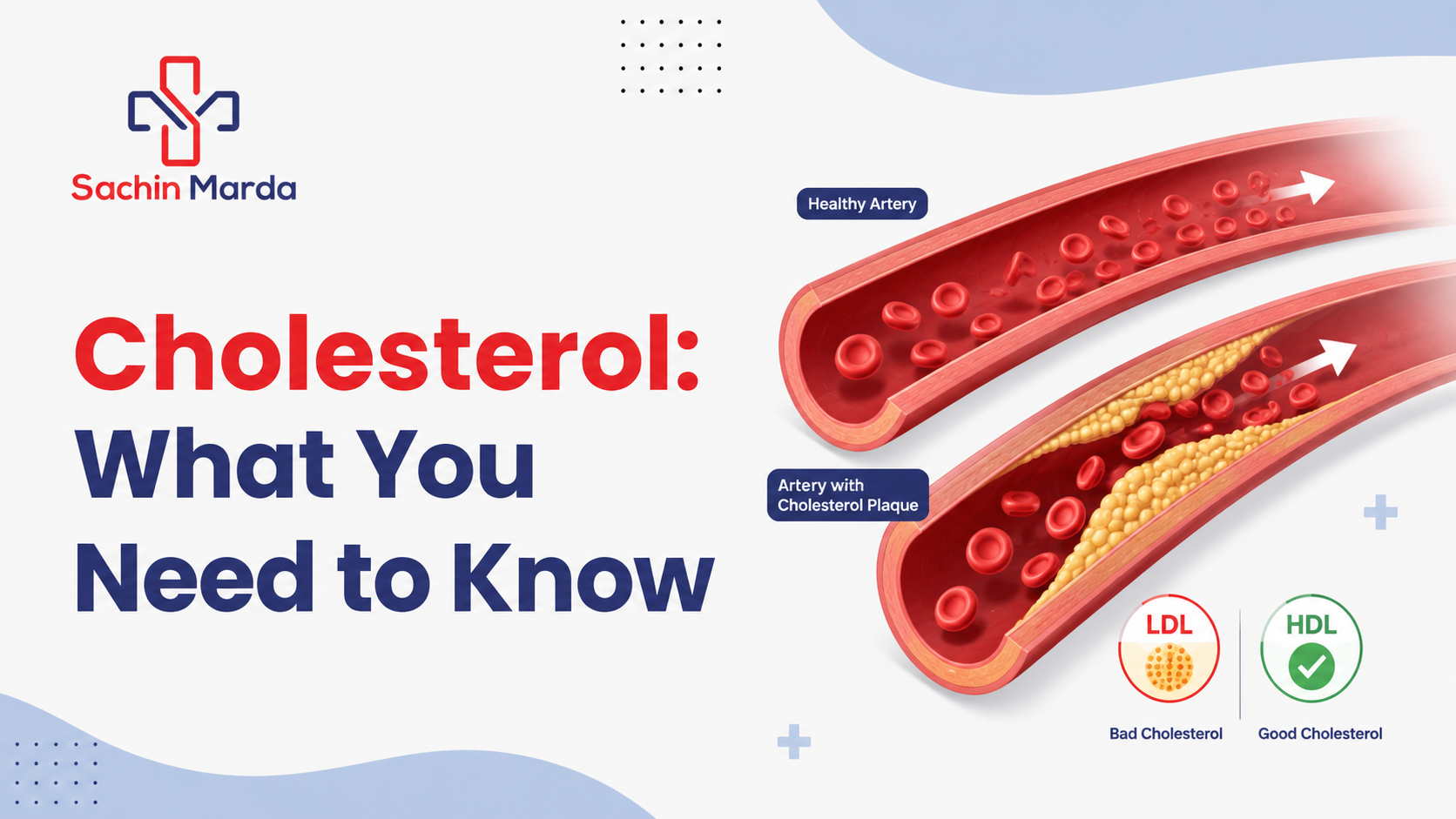
This means cholesterol itself is not the enemy. Problems arise when there is too much LDL (bad cholesterol) circulating in the bloodstream.
How Does Cholesterol Travel Through the Body?
Since cholesterol cannot dissolve in blood, it needs special transporters called lipoproteins to carry it throughout the body. There are three important types you should know.LDL Cholesterol – The “Bad” Cholesterol
Low-Density Lipoprotein (LDL) carries cholesterol from the liver to different organs and tissues where it is needed. This is a normal and essential process. However, when too much LDL remains in the bloodstream, it begins to settle inside the walls of arteries. Over time, these cholesterol deposits form plaques that narrow the arteries and reduce blood flow. This process, known as atherosclerosis, increases the risk of:- Heart attack
- Stroke
- Peripheral artery disease
HDL Cholesterol – The “Good” Cholesterol
High-Density Lipoprotein (HDL) is often called good cholesterol because it helps remove excess cholesterol from the bloodstream. HDL is produced mainly by the liver and the small intestine. As it circulates through the body, it collects extra cholesterol from tissues and blood vessel walls and carries it back to the liver. The liver then:- Reuses cholesterol to produce hormones and other essential substances, or
- Converts it into bile acids, which help digest fats and are eventually removed from the body.
Triglycerides
Triglycerides are another type of fat found in the blood. Although they are not cholesterol, they are measured as part of a lipid profile because they also influence heart health. Whenever you eat more calories than your body needs, the extra energy is stored as triglycerides. Between meals, your body uses these stored triglycerides for energy. However, when triglyceride levels remain high—especially along with high LDL or low HDL—the risk of heart disease increases.How Does the Liver Control Cholesterol?
The liver is the body’s cholesterol control centre. Think of it as a factory, recycling centre, and cleaning system all working together. The liver removes excess LDL cholesterol from the bloodstream using tiny proteins called LDL receptors. These receptors work like small vacuum cleaners, pulling LDL particles out of the blood. Once the liver removes LDL cholesterol, it can:- Reuse it for important body functions
- Convert it into bile acids for digestion
- Eliminate it through the digestive system
Understanding Your Cholesterol Numbers
A simple blood test called a lipid profile measures your cholesterol levels. The table below provides a general guide.| Cholesterol Test | Healthy | Needs Attention | High Risk |
|---|---|---|---|
| Total Cholesterol | Below 200 mg/dL | 200 mg/dL or higher | 240 mg/dL or above |
| LDL (Bad Cholesterol) | Below 100 mg/dL | 100 mg/dL or higher | 190 mg/dL or above |
| HDL (Good Cholesterol) | 40 mg/dL or higher for men and 50 mg/dL or higher for women | Lower than these values | — |
| Triglycerides | Below 150 mg/dL | 150 mg/dL or higher | 500 mg/dL or above |
Remember that these numbers provide general guidance. Your doctor will also consider your age, diabetes, blood pressure, family history, smoking habits, and overall cardiovascular risk before deciding whether treatment is needed.
A Simple Way to Remember
You don’t need to memorize every number. Just remember these four goals:-
 Keep LDL (Bad Cholesterol) low.

-
Keep HDL (Good Cholesterol) at a healthy level.

-
Keep Triglycerides below 150 mg/dL.

-
Aim for a Total Cholesterol level below 200 mg/dL.
Why is High LDL Cholesterol Dangerous?
High LDL cholesterol does not usually cause symptoms, but it silently damages the arteries over many years. Here’s what happens: 1. Excess LDL stays in the bloodstream. 2. LDL enters the walls of the arteries. 3. Fatty plaques gradually develop. 4. The arteries become narrower and less flexible. 5. Blood flow to the heart and brain decreases. Sometimes, these plaques can rupture suddenly. A blood clot may then form and completely block the artery, leading to:
Excess LDL stays in the bloodstream.
LDL enters the walls of the arteries.
Fatty plaques gradually develop.
The arteries become narrower and less flexible.

LDL enters the walls of the arteries.
This is why high LDL cholesterol is considered one of the most important risk factors for cardiovascular disease.
Who is at Higher Risk of High Cholesterol?
Several factors increase the risk of developing unhealthy cholesterol levels. These include:- A diet high in saturated fats and trans fats
- Lack of regular physical activity
- Being overweight or obese
- Diabetes
- High blood pressure
- Smoking
- Excessive alcohol consumption
- Family history of high cholesterol or heart disease
- Increasing age


Can High Cholesterol Be Prevented?
Yes. In many cases, high cholesterol can be prevented through healthy lifestyle choices. Simple habits that support healthy cholesterol levels include:- Eating a balanced diet rich in fruits, vegetables, whole grains, and healthy fats
- Exercising regularly
- Maintaining a healthy weight
- Avoiding tobacco
- Limiting alcohol intake
- Managing diabetes and high blood pressure
- Getting regular health check-ups
