
The surgery is complete. You are out of the operation theatre, in the recovery room, and your family is waiting. The tumour has been removed. You have done something enormous. And now – what happens? This is the question I hear most often from patients and families in the days leading up to surgery. The anticipation of the unknown is genuinely difficult. So let me take you through it This guide covers recovery from major abdominal or thoracic cancer surgery. the kind I most frequently perform. Recovery from other surgeries may differ, and I always give my patients a personalised recovery plan before they leave the hospital. But this will give you a realistic general picture.
In the Hospital: Days 1 to 5
You will wake from surgery in a recovery area where your vital signs are closely monitored. You may feel groggy from anaesthesia, and you will likely have one or more tubes a urinary catheter, possibly a drain near the surgical site- that help manage fluids in the immediate post-operative period. Pain is managed proactively. Modern pain management after major surgery is far more effective than it was even ten years ago. You will not be expected to “tough it out.” Please tell the nursing team honestly how you are feeling. On Day 1 or 2, depending on the procedure, we begin encouraging you to sit up, dangle your legs over the bed, and take short assisted walks. This early movement is not a formality – it is medically important. It reduces the risk of blood clots, helps the lungs clear, and begins the process of restoring gut function after abdominal surgery. By Day 2 or 3 in most robotic or minimally invasive surgeries, you will begin sips of clear fluids. If your gut is responding well – you will know because you begin passing gas, which is a very good sign- the diet progresses to soft foods. Most of my patients are discharged within 3 to 5 days for robotic procedures, and 5 to 7 days for more complex open surgeries.Week 1 at Home: Rest Is Medicine
Coming home is wonderful - and tiring.
Your body has been through an enormous physiological event. Expect to need significantly more sleep than usual. This is normal. It is your body directing energy toward healing..
The wound area will be tender

Do not drive during this week.

Emotionally this week can be difficult
Weeks 2 and 3: Gradually Expanding
You will begin to feel more like yourself

Short walks extend

A follow-up appointment
Weeks 4 to 6: Building Back
By Week 4, most patients are functioning reasonably well at home. Fatigue is still present but less overwhelming. Many people return to sedentary or light work in Weeks 4 to 6, depending on their occupation and recovery progress. Diet continues to expand. Most foods are tolerated by now, though individual responses vary particularly after gastrointestinal surgery. If certain foods cause discomfort, note them and let me know at your follow-up. Emotional recovery continues alongside physical recovery. Some patients describe a period of anxiety around this time – particularly as they wait for the full pathology and staging results. This anxiety is completely understandable. We will go through the results together, in full, at your appointment.What Counts as a Warning Sign During Recovery?
Please contact my team immediately if you experience:
High Fever

Wound Changes
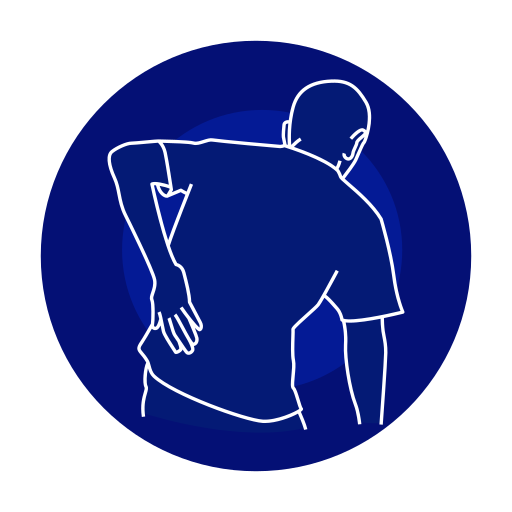
Uncontrolled Pain
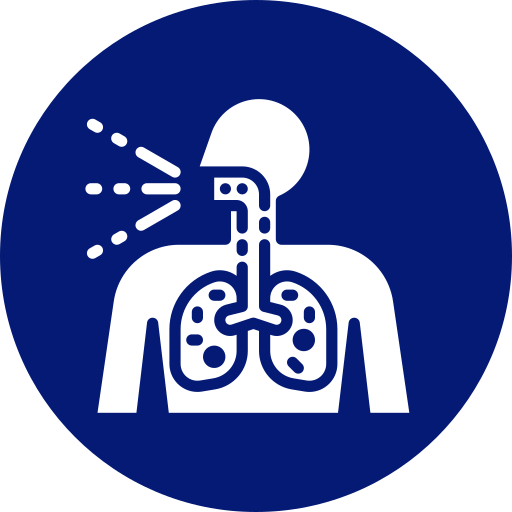
Respiration Issues

Fluid Retention
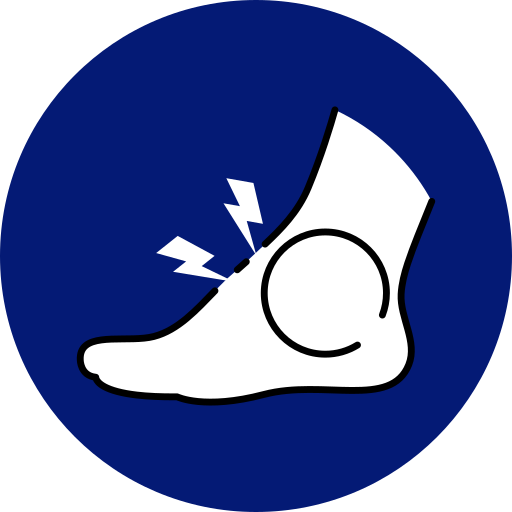
Possible Blood Clot
A Note to Caregivers
If you are supporting a family member through recovery thank you. It is demanding and often invisible work. Please take care of yourself too. You cannot pour from an empty cup, and your patient needs you well..
If you have questions at any point during recovery, my team is reachable. You are not alone in this.
Book your consultation at sachinmarda.com or WhatsApp me at 91-7702013311. I’ll see you soon.
– Dr. Sachin Marda
Schedule your consultation with Dr. Sachin Marda now.
For a valuable second opinion and expert guidance reach out to Dr. Sachin Marda today. His wealth of knowledge and experience ensures that you will receive top-notch advice and recommendations customized specifically to your needs.
