
Understanding Cancer Screening and Early Detection
Cancer screening is your first line of defense against cancer. It helps catch potential problems before symptoms appear. You should know how these tests work and what makes them different from diagnostic procedures to build a strong cancer prevention plan.
What is cancer screening?
Your body gets examined for cancer through screening before any symptoms show up. These tests help find cancer early when treatments work better. You might get different types of screening like physical exams, lab tests, imaging procedures, or genetic tests. A good screening test does three things well: it spots cancer early, helps screened patients live longer, and does more good than harm. The harm could include bleeding, wrong results, or finding cancers that wouldn’t have caused problems anyway.How is it different from diagnostic testing?
Screening and diagnostic tests might use the same tools, but they serve different purposes. Screening tests are preventive measures used on many healthy people who feel fine. The tests need to be simple, patient-friendly, and budget-friendly. Diagnostic tests come into play when you have symptoms or after your screening shows something concerning. These tests cost more and can be more invasive, but doctors need them to make a definite diagnosis. The way results are interpreted also differs – diagnostic tests focus on being specific to avoid false alarms, while screening tests cast a wider net to catch possible cases.Why early detection matters
Finding cancer early gives you better chances of beating it. Yes, it is easier to treat or cure abnormal tissue or cancer when caught early. Cancer becomes harder to treat once symptoms appear because it might have grown and spread. Early-stage cancers are usually smaller and stay in one place, which makes treatment easier. You might need less invasive treatments and fewer extensive surgeries, chemotherapy, or radiation sessions. Some cancers can be prevented through early detection and screening. Tests like HPV and Pap smears can find abnormal cells before they turn into cancer, so doctors can treat them right away.Age-by-Age Cancer Screening Recommendations
Cancer screening schedules depend on your age and risk factors. Your doctor will tailor these schedules to detect cancer early. The right tests at the right time make all the difference.
Screening in your 20s and 30s
Women need to start cervical cancer screening at age 21 with a Pap test every three years. The American Cancer Society suggests a primary HPV test every five years starting at age 25 – this works better. Men should do monthly testicular self-exams and get clinical testicular exams during checkups. Everyone needs skin examinations every three years. Dental visits every six months help check for oral cancer. ght away.Screening in your 40s
Your screening needs grow substantially in this decade. Women should get yearly breast cancer mammograms between ages 40-45. Everyone needs to start colorectal cancer screening at 45. You can choose between colonoscopy every 10 years, stool-based tests every 1-3 years, or other methods your doctor recommends. African American men and those with prostate cancer in their family should talk about PSA testing at 45. People who smoke heavily or quit recently should ask about lung cancer screening.Screening in your 50s
Your fifties bring more health monitoring needs. Women need mammograms every 1-2 years. Men should talk with their doctor about prostate screening. Everyone must keep up with colorectal cancer checks. Yearly lung cancer screening with low-dose CT scans helps people aged 50-80 who have smoked heavily. You’ll need yearly skin checks now.Screening in your 60s and beyond
Your doctor will adjust screening recommendations as you age. Colorectal cancer screening continues until 75. Women with normal results can stop cervical cancer screening at 65. Breast cancer screening goes on while you stay healthy and expect to live at least 10 more years. After 75, your overall health and life expectancy determine which screenings you need.Key Screening Tests by Cancer Type
Cancer screening tests play a vital role in early detection. Each cancer type requires specific screening methods that come with their own procedures, benefits and testing schedules.

Breast cancer: Mammograms and self-exams
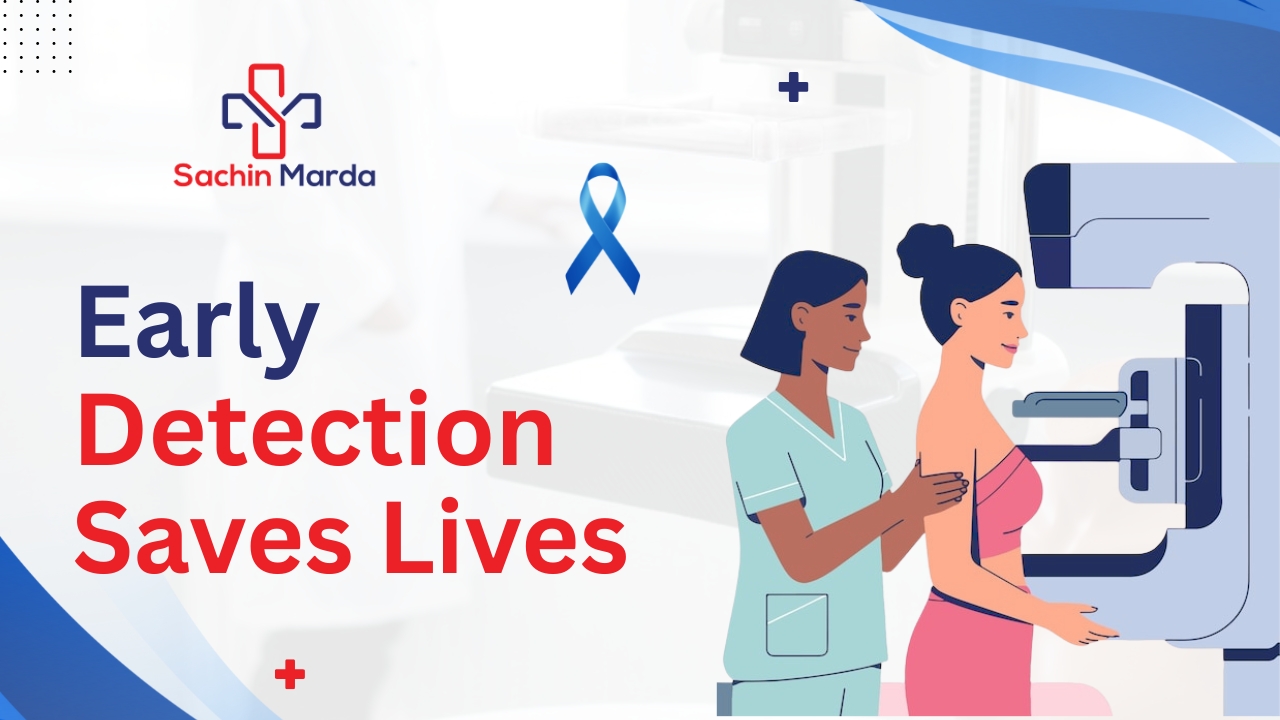
Mammograms serve as the gold standard to screen breast cancer. These X-ray tests can spot abnormalities before you can feel them. Most women find mammograms the quickest way to detect breast cancer early. Regular breast self-exams help you know what’s normal for your breast tissue. Research from Johns Hopkins shows that women’s self-detection accounts for 40% of diagnosed breast cancers when they feel a lump.

Cervical cancer: Pap smear and HPV test
Doctors use two main tests to detect cervical cancer early. The Pap test looks for precancerous changes in cervical cells, while the HPV test checks for the virus that leads to these changes. Women between 30-65 years old can choose an HPV test every 5 years, a Pap test every 3 years, or both tests together every 5 years.

Colorectal cancer: Colonoscopy and stool tests
A colonoscopy lets doctors see your entire colon every 10 years and remove potentially cancerous polyps right away. Stool-based tests offer another option by checking for hidden blood or DNA markers that might point to cancer. These tests include the FIT test (yearly), gFOBT (yearly), or the stool DNA-FIT test every 3 years.

Prostate cancer: PSA test and digital rectal exam
PSA blood tests measure prostate-specific antigen levels, and readings above 4.0 ng/mL usually raise concerns. Doctors often pair this with a digital rectal exam to physically check for prostate abnormalities.

Lung cancer: Low-dose CT scan for high-risk individuals
People with extensive smoking history (20+ pack-years) benefit from yearly low-dose CT scans. Research confirms these screenings help reduce deaths from lung cancer among high-risk patients.
Other Tools for Early Cancer Detection
Cancer detection goes beyond standard screenings. Several additional tools work among regular screening tests to give you a complete picture of your health.

Genetic testing for inherited cancer risk
DNA testing can reveal inherited mutations that might increase your cancer risk. About 5-10% of all cancers come from inherited genetic changes. You might need this testing if cancer runs in your family, especially when diagnosed at young ages, or if multiple family members have the same type of cancer or rare cancers. The process usually needs just a blood or saliva sample. Results come back as positive, negative, or variant of uncertain significance. Genetic counseling before testing helps you understand what the results might mean.
Cancer markers and blood tests
Blood tests detect specific biomarkers that might signal cancer. These include circulating tumor DNA, proteins, and other blood components. PSA tests help detect prostate cancer, while CA125 indicates ovarian cancer and AFP points to liver cancer. New multi-cancer early detection (MCED) tests can spot over 50 different cancer types from a single blood sample. Scientists are also learning about using urine, saliva, and breath samples as easier ways to detect cancer.

Full-body cancer checkups
Full-body scans sound comprehensive but aren’t recommended for people without symptoms. Major medical organizations and the FDA warn against using them if you’re healthy. The risks often outweigh any benefits. CT scans expose you to radiation, false positives can lead to unnecessary procedures, and unclear findings might cause anxiety. Targeted screening tools designed for specific cancers work better.

How to detect cancer early symptoms at home
Body awareness works better than structured self-examinations. When you know what’s normal for your body, you’ll notice changes more easily. Watch for unusual lumps, unexplained weight loss, or ongoing fatigue. Note that staying aware of your body doesn’t mean checking yourself in specific ways at set times. Something seems unusual? Don’t wait – see your doctor even if the symptoms seem minor.
Conclusion
Schedule your consultation with Dr. Sachin Marda now.
For a valuable second opinion and expert guidance reach out to Dr. Sachin Marda today. His wealth of knowledge and experience ensures that you will receive top-notch advice and recommendations customized specifically to your needs.
