

Not long ago, colorectal cancer – cancer of the colon or rectum – was considered a disease of older adults. We screened from age 50 onwards. We didn’t look for it in people in their 30s. That understanding is changing. And in my clinic, I see that change every month. I am seeing colorectal cancer in younger patients more frequently than I did a decade ago. This is not unique to Hyderabad. It is a trend being documented across Indian metros – and globally. It deserves your attention, whether you are 28 or 48..
What is Colorectal Cancer?
Colorectal cancer is cancer that begins in the colon (large intestine) or the rectum (the final section of the digestive tract). It often starts as small, benign growths called polyps – which, if left undetected and untreated, can become cancerous over time. The reason early detection matters so profoundly here is this: when colorectal cancer is caught at Stage 1, survival rates are above 90%. When it is caught at Stage 4, the picture is very different. The disease is treatable – but only if we find it in time.Why is it Raising Among Young Indians?
Several interconnected factors appear to be driving this trend, based on emerging research and what I observe in clinical practice.

Diet has changed dramatically
Physical activity has declined

Obesity rates are climbing

Alcohol consumption is rising
None of these factors alone guarantees cancer. But together, over years, they create an environment in which abnormal cell growth may be more likely.
What Are the Warning Signs?
This is the part I most want you to remember. Colorectal cancer often develops silently. without dramatic symptoms for months or years. By the time symptoms are obvious, the disease may be at an advanced stage. Please see a doctor if you notice any of the following persisting for more than two to three weeks: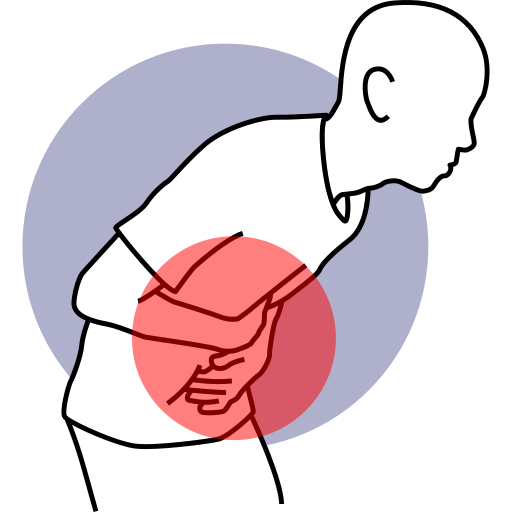
A change in your bowel habits more frequent stools, looser stools, or the opposite

Blood in or on your stool even a small amount, even once

Unexplained abdominal pain, cramping, or bloating

A feeling that your bowel hasn’t emptied completely after going to the toilet

Unexplained weight loss
Persistent fatigue that you cannot explain
Many of these symptoms have completely benign causes – haemorrhoids, IBS, dietary changes. But that is exactly why you need a doctor to evaluate them. Do not diagnose yourself. And do not wait.
Am I At Higher Risk?
Some people have a higher baseline risk than others. Please speak to your doctor and consider earlier screening if you have:- A first-degree relative (parent, sibling, child) who has had colorectal cancer or polyps
- A personal history of polyps or inflammatory bowel disease (Crohn’s disease or ulcerative colitis)
- A genetic condition such as Lynch syndrome or familial adenomatous polyposis
- A long history of a very low-fibre, high-processed-food diet
What Does Screening Actually Involve?
A colonoscopy is the gold standard test for detecting colorectal cancer and polyps. It involves a camera passed through the rectum to examine the entire colon. It is performed under sedation you will not be awake or in pain during the procedure. The preparation the day before (clearing the bowel) is the part most people find uncomfortable. The procedure itself is rarely described as painful. If polyps are found, they can often be removed during the same procedure – meaning we can prevent cancer from developing, not just detect it.What I Want You to Take Away from This
You do not need to be afraid of this information. You need to act on it.
If you are in your 30s or 40s and you have noticed any of the symptoms listed above, please do not wait. If you have a family history of colorectal cancer, please discuss screening with your doctor sooner rather than later.
Early detection changes everything in colorectal cancer. I have seen it in my own patients-the difference between a stage 1 diagnosis and a stage 3 diagnosis is, very often, whether someone paid attention to a symptom and came in early.
Come In Early
Book your consultation at sachinmarda.com or WhatsApp me at 91-7702013311. I’ll see you soon.
– Dr. Sachin Marda
Schedule your consultation with Dr. Sachin Marda now.
For a valuable second opinion and expert guidance reach out to Dr. Sachin Marda today. His wealth of knowledge and experience ensures that you will receive top-notch advice and recommendations customized specifically to your needs.
