
India has one of the highest rates of gallbladder cancer in the world. It is among the most common gastrointestinal cancers in our country-particularly in North India and increasingly in parts of Telangana and Andhra Pradesh. And yet most people – including many who are at risk – have never been told this.
That gap between reality and awareness costs lives. I want to help close it.
What Is the Gallbladder and What Does It Do?
The gallbladder is a small, pear-shaped organ tucked beneath the liver on the right side of your abdomen. Its job is to store bile – a digestive fluid produced by the liver – and release it into the small intestine when needed to help break down fats.
When cells in the gallbladder grow in an uncontrolled way, gallbladder cancer develops. The challenge with this cancer is that the gallbladder is a quiet organ. You can live with it for months without knowing it is there and that silence is exactly why gallbladder cancer is so often found late.
Who is at Risk?
Research and clinical data point to several factors that are associated with a higher risk of gallbladder cancer. These include:

Gallstones

Chronic inflammation of the gallbladder
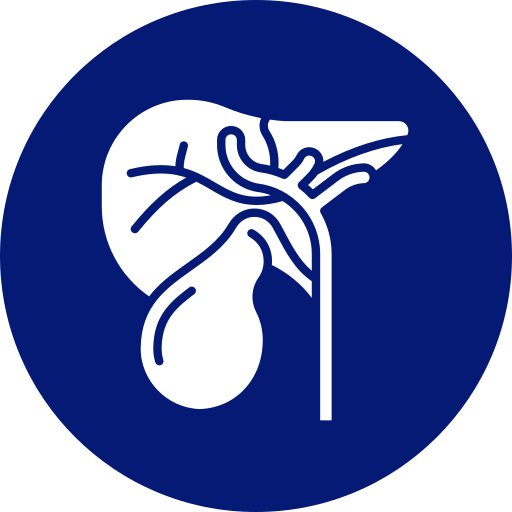
Porcelain gallbladder

Family history

Obesity

Being Female
What Are the Warning Signs?
This is where I need you to pay close attention-because early gallbladder cancer often produces no symptoms at all.
When symptoms do appear, they may include:
- Abdominal pain particularly on the upper right side, below the ribs
- Nausea and vomiting
- Jaundice – yellowing of the skin or whites of the eyes
- Unexplained weight loss
- Bloating
- A lump or mass in the upper right abdomen that was not there before
- Loss of appetite that persists for weeks
Jaundice is often the symptom that brings patients to my clinic. By the time jaundice appears, the cancer has usually spread to affect the bile ducts-which means it is at a more advanced stage
This is why I am asking you not to wait for dramatic symptoms. If you have any of the above, see a doctor. If you have a long history of gallstones and have been putting off treatment, please don’t delay any further.
How Is Gallbladder Cancer Diagnosed?
Diagnosis typically involves a combination of:
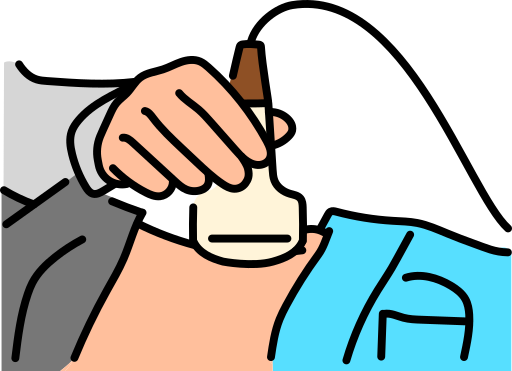
Ultrasound of the abdomen often the first investigation
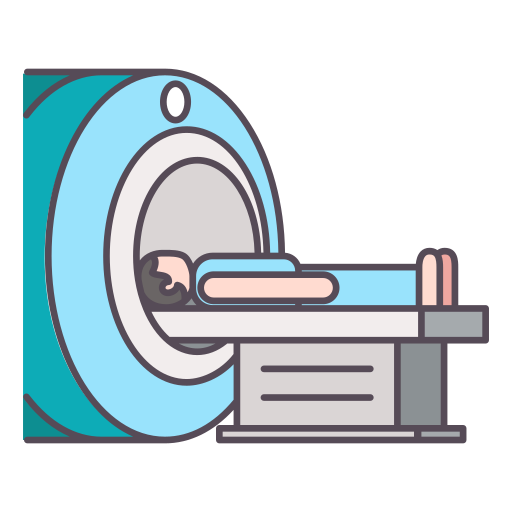
CT scan or MRI for more detailed imaging

Blood tests including liver function tests and tumour markers

Biopsy if needed
Is Gallbladder Cancer Treatable?
Yes- especially when caught early. Surgery to remove the gallbladder (and in some cases surrounding tissue) is the primary treatment. When the cancer is confined to the gallbladder wall and has not spread, surgical outcomes can be excellent.
At more advanced stages, treatment may involve a combination of surgery, chemotherapy, and other systemic therapies. The specifics depend entirely on the individual case.
The honest truth is that early detection gives us far more options and far better outcomes. Advanced gallbladder cancer is significantly harder to treat.
If You Have Gallstones, Read This
If you have been living with gallstones for years and managing with pain medication or dietary changes- please book an appointment and let’s review where things stand. Gallstones do not always need surgery. But they also should not be indefinitely deferred without proper monitoring.
I am not suggesting alarm. I am suggesting attention.
Book your consultation at sachinmarda.com or WhatsApp me at 91-7702013311. I’ll see you soon.
– Dr. Sachin Marda
Schedule your consultation with Dr. Sachin Marda now.
For a valuable second opinion and expert guidance reach out to Dr. Sachin Marda today. His wealth of knowledge and experience ensures that you will receive top-notch advice and recommendations customized specifically to your needs.
