
Introduction
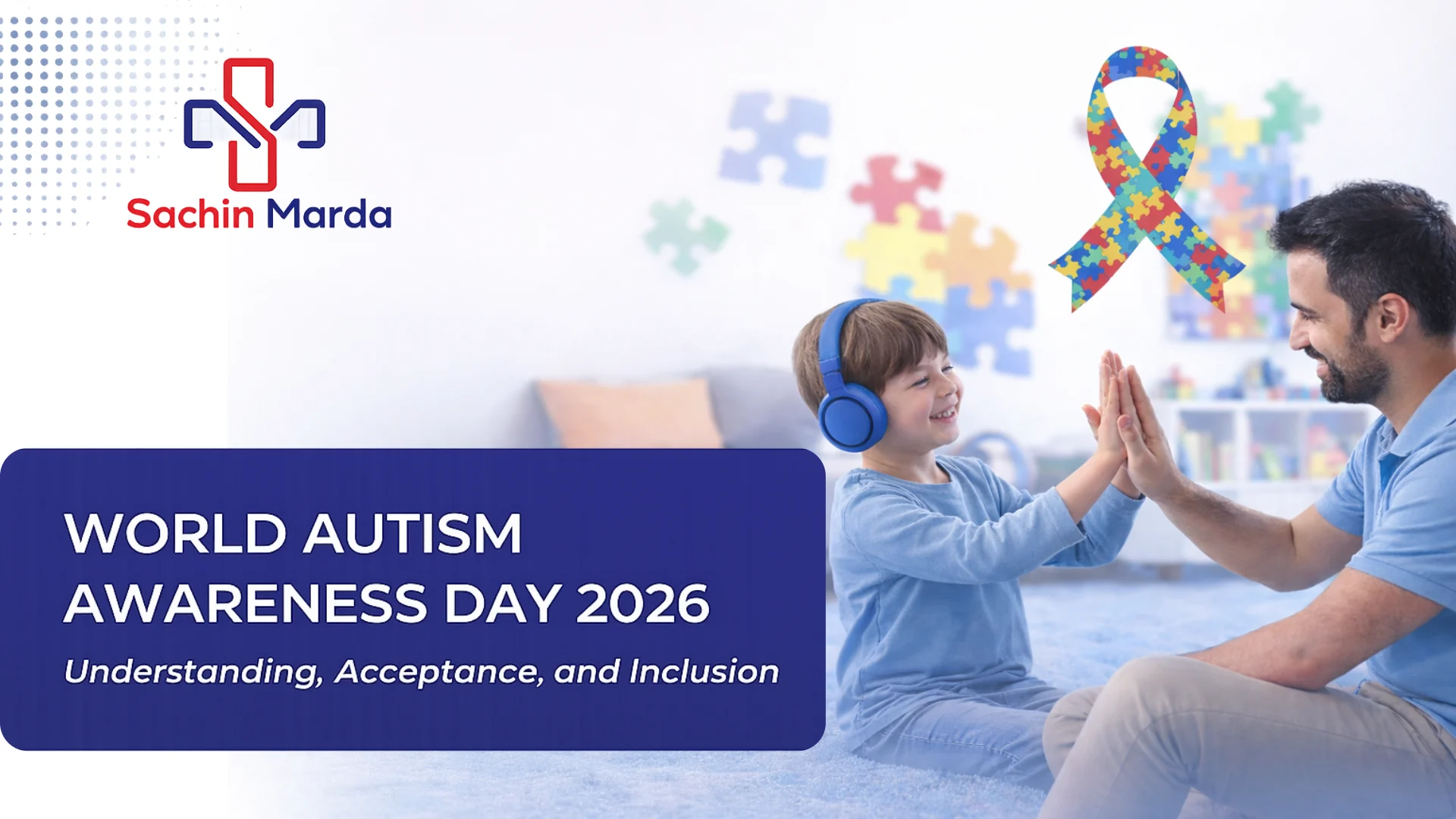
World Autism Awareness Day, observed on April 2, is an important global initiative that highlights the need to understand, support, and include individuals on the autism spectrum. The 2026 theme, “Autism & Humanity – Every Life Has Value,” reinforces a powerful message—every individual deserves dignity, respect, and equal opportunity, regardless of neurological differences.
Autism is not a disease but a neurodevelopmental condition that affects communication, behavior, and social interaction. It exists on a spectrum, meaning each individual experiences it uniquely. Recognizing this diversity is key to building a more inclusive society.
Understanding Autism Spectrum Disorder
Autism Spectrum Disorder (ASD) influences how individuals perceive and interact with the world. Some may have challenges with communication or social engagement, while others may display repetitive behaviors or heightened sensory sensitivities. Common early signs include:
Delayed speech or language development
Limited eye contact
Difficulty in social interactions
Repetitive movements or behaviors
Sensitivity to sounds, light, or textures
Why Early Intervention Matters
Early diagnosis allows access to evidence-based therapies such as:
- Speech and language therapy
- Occupational therapy
- Behavioral interventions
Moving Beyond Awareness to Inclusion
While awareness is the first step, the real impact lies in inclusion. This means adapting environments to support individuals rather than expecting them to conform. Inclusive practices include:- Clear and structured communication
- Predictable routines
- Sensory-friendly environments
- Equal access to education and employment opportunities
The Role of Society and Policy
The 2026 theme aligns with global efforts, including the United Nations Sustainable Development Goals (SDGs), emphasizing that inclusion of neurodiversity strengthens communities and promotes sustainable development. Organizations like the Institute of Neurodiversity (ION), supported by global bodies, are working toward:- Reducing stigma and misinformation
- Promoting equal rights and opportunities/li>
- Driving policy-level inclusion across healthcare, education, and employment
Building an Inclusive Future
Creating an inclusive society requires collective effort from:- Healthcare professionals
- Educators
- Employers
- Families and communities
Conclusion
Autism is not something to be fixed—it is something to be understood and supported. This World Autism Awareness Day, let us move beyond awareness and take meaningful steps toward inclusion.
By recognizing the value of every individual and embracing neurodiversity, we can build a society that is not only inclusive but also stronger, more innovative, and compassionate.
Schedule your consultation with Dr. Sachin Marda now.
For a valuable second opinion and expert guidance reach out to Dr. Sachin Marda today. His wealth of knowledge and experience ensures that you will receive top-notch advice and recommendations customized specifically to your needs.
